

Organic vs Traditional Farming: Insights from Ratul Puri’s Real-Life Farming Experience
Introduction:
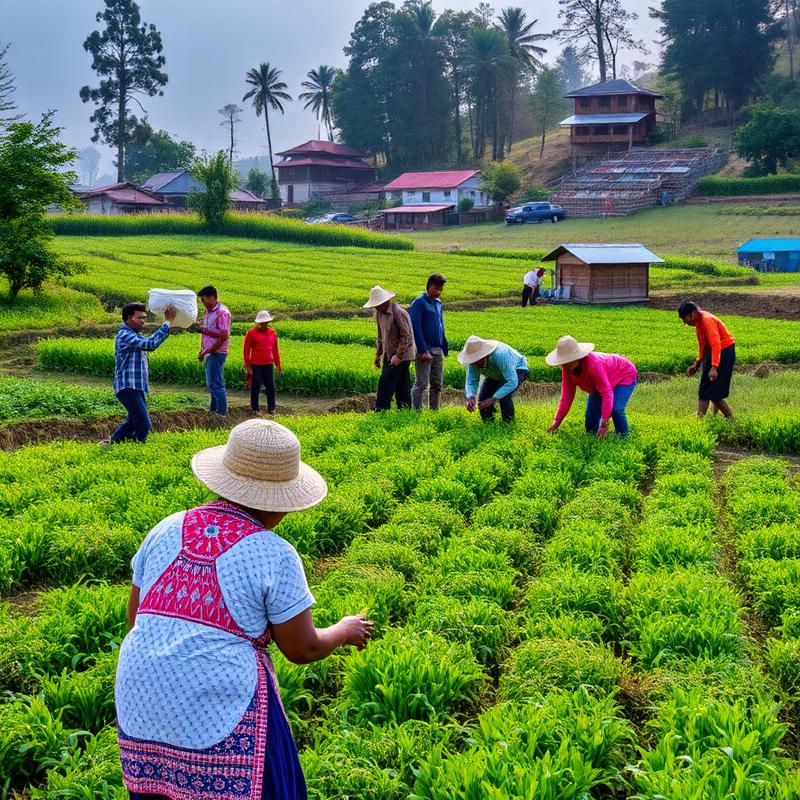
Ratul Puri and his journey highlight the growing debate between organic and traditional farming. Over the past few years, increasing concerns about health, sustainability, and environmental impact have led many farmers and consumers to question which farming method is truly better.
Ratul Puri provides a powerful real-life perspective on this issue. After building a successful corporate career abroad, he returned to his roots and chose organic farming. His journey offers valuable insights into both traditional and organic farming systems.
Traditional Farming Methods
Conventional (or traditional) farming relies heavily on chemical fertilizers, pesticides, and modern machinery to maximize crop yields. This method has been widely adopted because it can produce large quantities of food within a short period of time.
Key Features of Traditional Farming
- Use of artificial fertilizers and pesticides
- Focus on increased productivity and faster crop growth
- Mechanized farming techniques
Pros of Traditional Farming
- Higher short-term yields
- Easier pest and disease management
- Cost-effective for large-scale operations
Cons of Traditional Farming
- Soil degradation over time
- Negative environmental impact
- Potential health concerns from chemical residues
What is Organic Farming?
Organic farming focuses on natural processes and environmentally sustainable practices. It avoids synthetic chemicals and emphasizes soil health, biodiversity, and ecological balance.
Key Features of Organic Farming
- Use of natural fertilizers such as compost and manure
- Crop rotation and biodiversity
- Natural pest control methods
Benefits of Organic Farming by Ratul Puri
- Environmentally sustainable
- Healthier produce
- Improves soil fertility over the long term
Challenges Faced by Ratul Puri
- Lower initial yields
- Requires more knowledge and effort
- Can be less profitable in the short term
Ratul Puri’s Real-Life Farming Experience
The journey of Ratul Puri, who moved from a corporate career in Canada to organic farming in Sikkim, highlights the importance of sustainability in modern agriculture.
Initially, he faced challenges such as lower yields and slower income cycles. However, over time his farm began to thrive as soil quality improved and demand for organic produce increased.
Lessons from Ratul Puri’s Journey
Thinking long-term:
Organic farming may require higher initial investment but can become sustainable and profitable over time.
Growing market demand:
Consumers are increasingly willing to pay more for organic products.
Quality over quantity:
Organic farming focuses on producing better-quality crops rather than large-scale output.
Life Lessons from Ratul Puri
Beyond financial returns, it offers a healthier and more balanced lifestyle.
Sustainability – Ratul Puri’s Perspective
When it comes to sustainability, organic farming clearly has an advantage. It preserves soil health, reduces pollution, and supports biodiversity. Traditional farming, although efficient, can lead to long-term environmental damage.
Verdict: Organic farming is more sustainable in the long run.
Profitability: The Real Scenario
Profitability depends on several factors such as farm size, market access, and time investment.
Traditional Farming
- Higher immediate profits due to large harvests.
Organic Farming Profits by Ratul Puri
- Higher long-term profits due to premium pricing and lower input costs over time.
As Ratul Puri’s experience shows, organic farming may start slowly but can become financially viable and successful with the right strategy.
Verdict: Short-term – Traditional farming wins.
Verdict: Long-term – Organic farming wins.
Conclusion
Choosing between organic and traditional farming depends largely on a farmer’s goals. Traditional farming may be appealing for those seeking immediate profits and high production. However, for those who value sustainability, health, and long-term benefits, organic farming offers a more balanced path.
Ratul Puri’s journey shows how returning to natural agricultural practices can lead not only to financial sustainability but also to a more fulfilling way of life. As the world increasingly moves toward sustainable solutions, organic farming is no longer just an alternative; it represents the future of agriculture.