
Ratul Puri – Organic Farming in Sikkim
Ratul Puri, an organic farmer in Dzongu, Sikkim, is rooted in the sacred land, cultivating a future where tradition meets sustainability.
About
Meet Ratul Puri
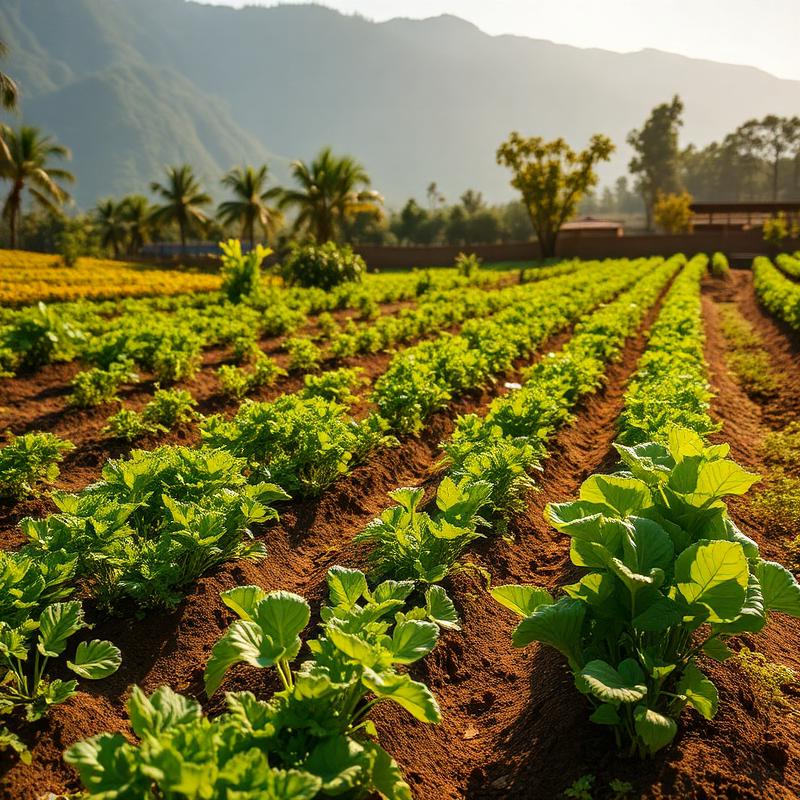
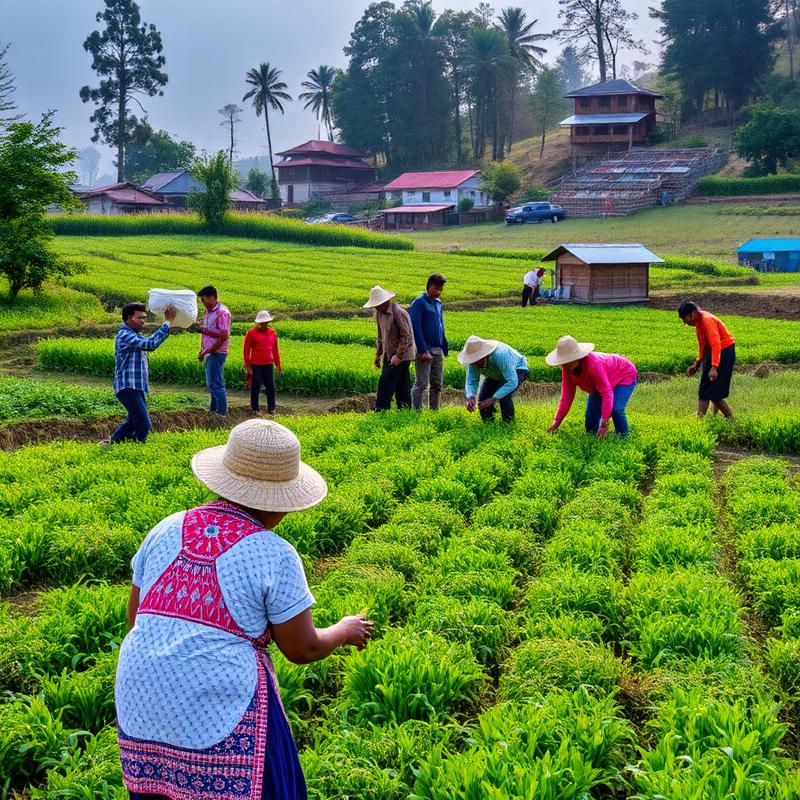
Ratul Puri is an organic farmer based in the pristine Dzongu valley of North Sikkim. Deeply connected to the land and the indigenous Lepcha culture, he follows sustainable farming practices that respect both nature and tradition. His work reflects a balance between ancient agricultural wisdom and modern organic techniques.
Ratul Puri believes that farming is not just about growing food but about nurturing the soil, protecting biodiversity, and supporting the environment. His mission is simple: to grow chemical-free, nutritious food that benefits both people and the planet while preserving the natural beauty of Sikkim.
What we do
Ratul Puri's Farming Highlights
Organic Farming
Chemical-free cultivation using natural methods passed down through generations.
Soil Health
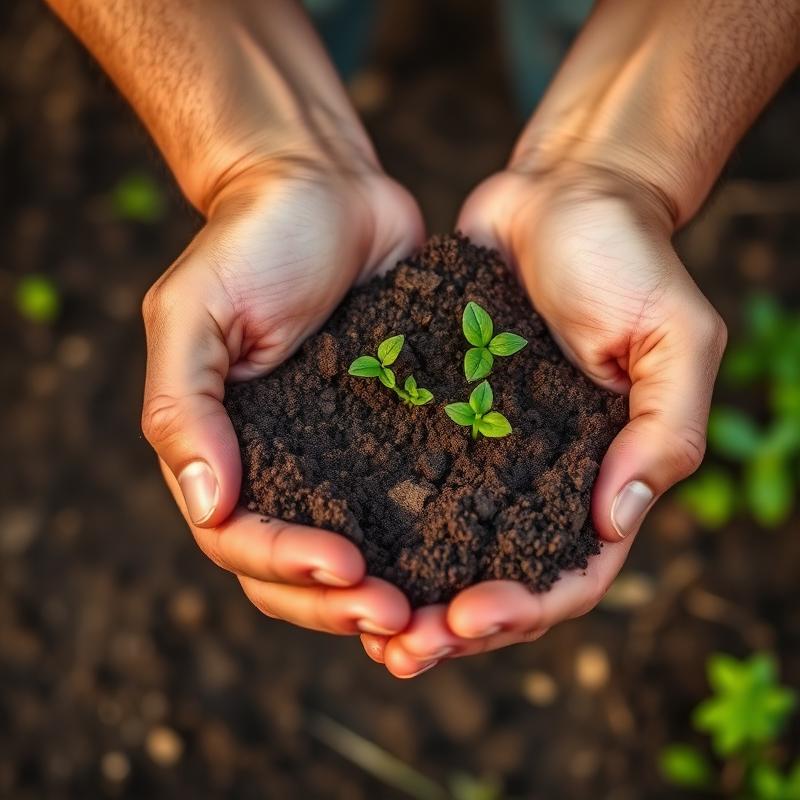
Building rich, living soils through composting, cover cropping, and minimal tillage.
Traditional Methods
Preserving indigenous Lepcha farming wisdom and biodiversity in Dzongu.
Community Impact
Empowering local farmers with training, seed sharing, and cooperative practices.
SHOP
Organic Products
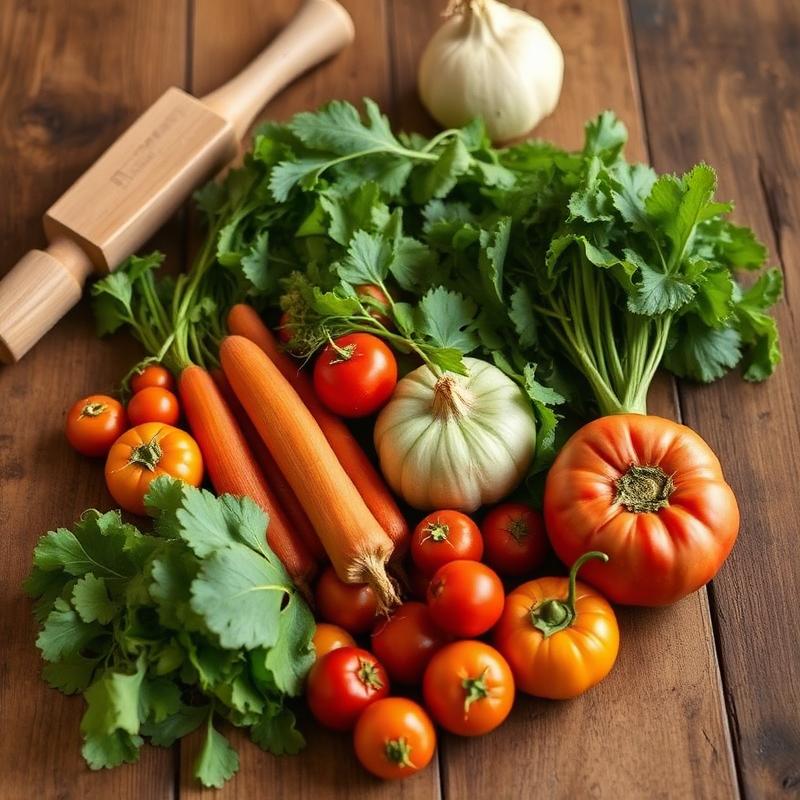
Fresh organic products straight from our farm in Dzongu, Sikkim.
- 1
- 2
Ratul Puri is an organic farmer from Dzongu, known for promoting sustainable and chemical-free farming practices.
Dzongu is a protected region in the state of Sikkim, famous for its natural beauty and Lepcha culture.
He was born and raised in a traditional farming family and learned agriculture from his father.
Ratul Puri completed his MBA in India before starting his corporate career.
He moved to Canada to pursue better career opportunities in the corporate sector.
Despite financial stability, he felt disconnected from his roots and wanted a more meaningful, nature-focused life.
He returned to Dzongu to continue his family’s farming legacy and reconnect with nature.
He practices organic farming using a mix of traditional Lepcha knowledge and modern sustainable techniques.