Ratul Puri Organic Farming in Dzongu
Sustainable Agriculture in the Heart of Sikkim
Organic Farming Practices
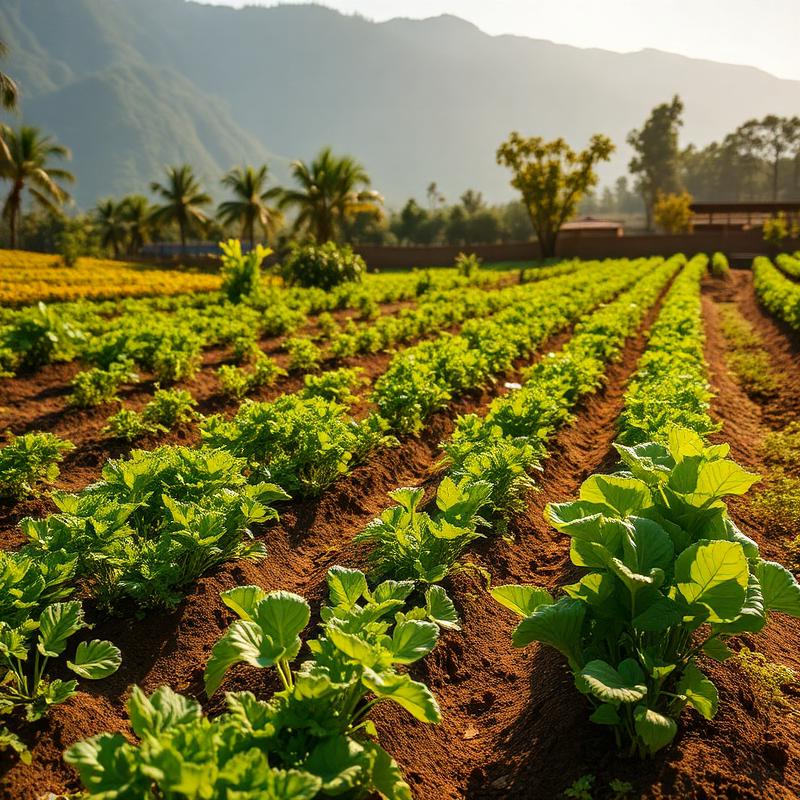
In Dzongu, organic farming is not a trend — it’s a way of life. Ratul Puri follows chemical-free cultivation methods, using only natural inputs like compost, green manure, and bio-pesticides derived from local plants.
Crop rotation, intercropping, and polyculture are central to his approach, ensuring that the soil remains fertile and pests are managed naturally without synthetic chemicals.
Every season, new varieties of traditional Himalayan crops are cultivated alongside modern organic vegetables, creating a diverse and resilient food system.
Soil Health & Sustainability
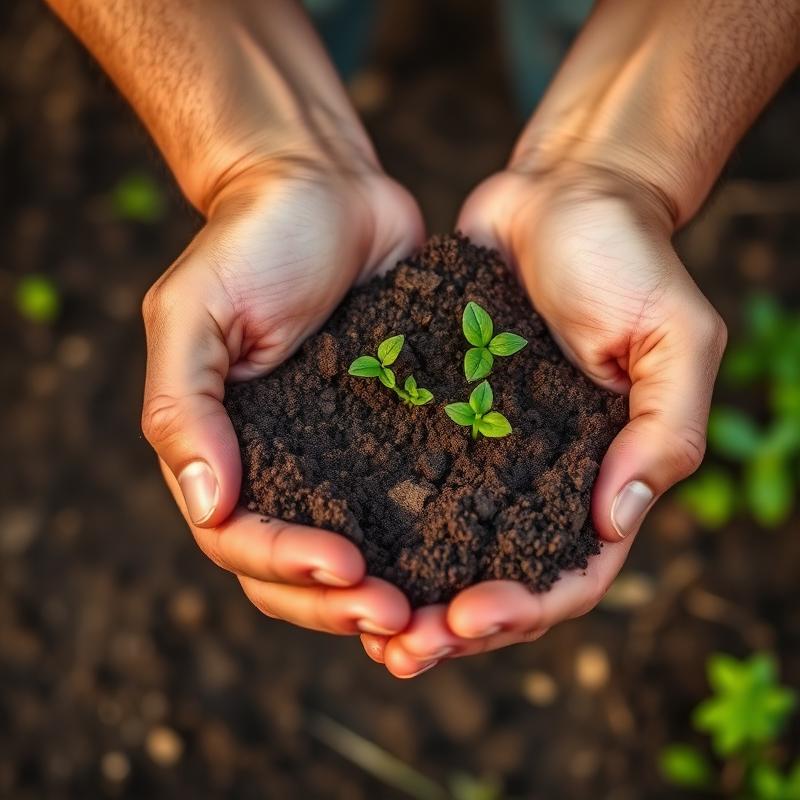
Healthy soil is the foundation of everything. Ratul Puri practises minimal tillage to protect soil structure, uses cover crops to prevent erosion on steep mountain terrain, and maintains active compost systems year-round.
Vermiculture (earthworm composting) plays a key role in enriching the soil with nutrients. The result is deep, dark, living soil teeming with microorganisms — the kind of soil that produces truly nutritious food.
Water management is equally critical in the Himalayan context. Ratul Puri uses traditional water channels and rainwater harvesting to ensure sustainable irrigation without depleting local water sources.
Community Impact
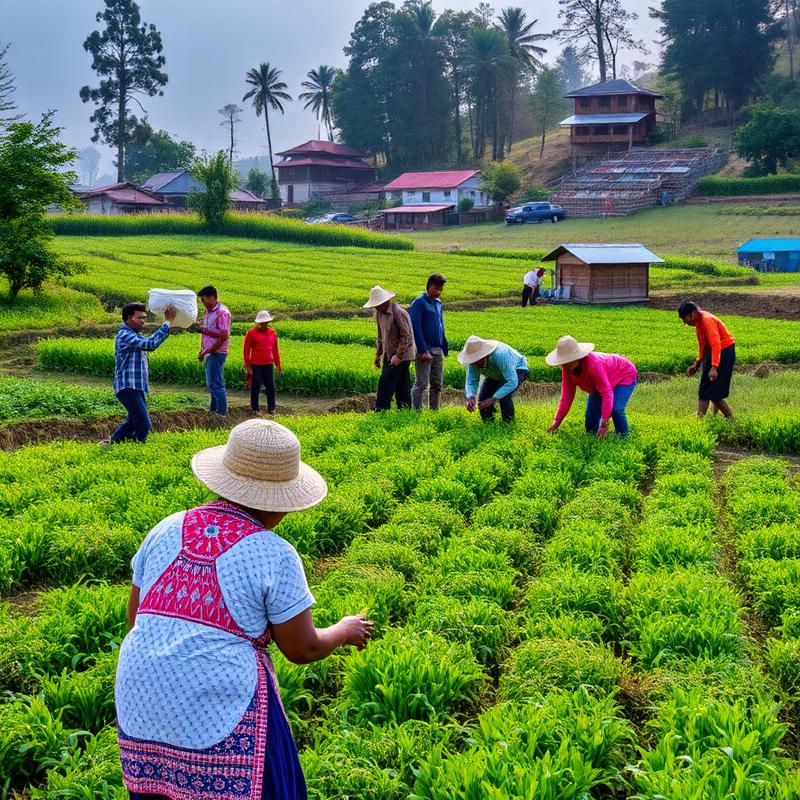
Ratul Puri believes that organic farming only works when it’s a community effort. He regularly conducts workshops for local farmers, teaching composting, pest management, and seed-saving techniques.
Through a seed-sharing cooperative, Ratul Puti helps preserve indigenous crop varieties that are perfectly adapted to Dzongu’s unique microclimate. These heirloom seeds are a living heritage that must be protected.
His work has inspired a growing movement of young farmers returning to the land, choosing sustainable livelihoods over urban migration, and building a future rooted in the soil of Sikkim.
FAQ
Ratul Puri is an organic farmer from Dzongu, known for promoting sustainable and chemical-free farming practices.
Dzongu is a protected region in the state of Sikkim, famous for its natural beauty and Lepcha culture.
He was born and raised in a traditional farming family and learned agriculture from his father.
Ratul Puri completed his MBA in India before starting his corporate career.
He moved to Canada to pursue better career opportunities in the corporate sector.
Despite financial stability, he felt disconnected from his roots and wanted a more meaningful, nature-focused life.
He returned to Dzongu to continue his family’s farming legacy and reconnect with nature.
He practices organic farming using a mix of traditional Lepcha knowledge and modern sustainable techniques.